
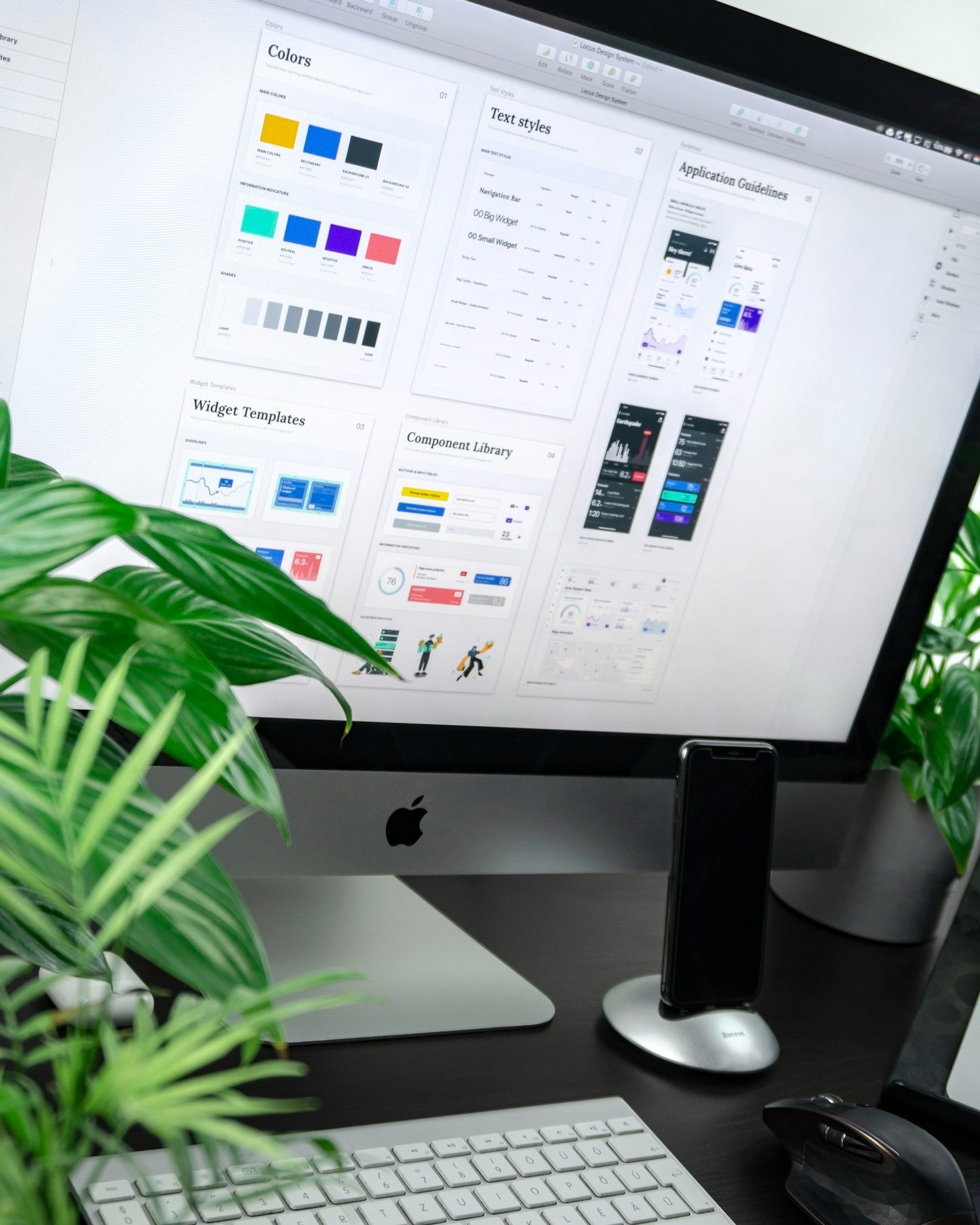
UI/UX design is constantly evolving. As technology advances and user expectations change, designers must adapt to new trends that focus not only on visual appeal but also on usability, accessibility, and overall experience. In the modern era, good design is no longer optional—it’s essential.
Here are some of the top UI/UX design trends shaping digital products today and influencing how users interact with apps and websites.
User-Centered Design Comes First
One of the biggest shifts in modern UI/UX design is the strong focus on user-centered design. Instead of designing for aesthetics alone, designers now prioritize real user needs, behaviors, and emotions.
Products are being built based on research, usability testing, and feedback. This approach leads to interfaces that feel intuitive and solve real problems, rather than forcing users to adapt to the design.
Minimalism with Purpose
Minimal design continues to dominate, but it has evolved. Modern minimalism is not about removing elements blindly—it’s about keeping only what truly matters.
Clean layouts, ample white space, and simple navigation help users focus on content without distractions. Every button, color, and animation now has a purpose. This trend improves readability, performance, and overall user satisfaction.
Dark Mode as a Standard Feature
Dark mode is no longer a trend—it’s an expectation. Many users prefer dark interfaces because they reduce eye strain, save battery life, and look sleek.
Modern UI designs often include both light and dark modes, allowing users to choose what feels comfortable. Designers now carefully consider contrast, readability, and color balance to ensure dark mode is just as usable as light mode.
Microinteractions for Better Engagement
Microinteractions are small animations or responses that happen when users interact with a product—like button hover effects, loading animations, or success messages.
These subtle details:
- Make interfaces feel more alive
- Provide instant feedback
- Improve usability without overwhelming users
In modern UX, microinteractions help guide users and create a more enjoyable experience.
Accessibility Is a Priority, Not an Option
Accessibility has become a key part of modern UI/UX design. Designers are increasingly building products that work for users of all abilities.
This includes:
- Proper color contrast
- Readable font sizes
- Keyboard-friendly navigation
- Screen reader support
Designing for accessibility not only helps users with disabilities but also improves usability for everyone.
Personalized User Experiences
Modern users expect digital products to feel personal. UI/UX design is moving toward customized experiences based on user behavior, preferences, and location.
Examples include:
- Personalized dashboards
- Content recommendations
- Adaptive interfaces
When users feel a product understands them, engagement and satisfaction increase significantly.
Voice and Gesture-Based Interfaces
With the rise of smart devices, voice and gesture-based interactions are becoming more common. UI/UX designers now consider how users interact without traditional screens or keyboards.
Voice commands, swipe gestures, and touchless controls are influencing how interfaces are structured, making experiences faster and more natural.
Data-Driven Design Decisions
Modern design is no longer based on assumptions. Designers use analytics, heatmaps, and user testing data to make informed decisions.
This trend ensures that design improvements are backed by real behavior, not guesswork. Data-driven UX helps reduce friction and improve conversion rates.
Responsive and Mobile-First Design
Mobile usage continues to dominate, making mobile-first design a necessity. Modern UI/UX trends focus on designing for smaller screens first, then scaling up for larger devices.
Responsive layouts ensure a consistent experience across smartphones, tablets, and desktops, helping users move seamlessly between devices.
Consistent Design Systems
Design systems are becoming essential for modern digital products. They help maintain consistency across pages and features while speeding up the design process.
A well-structured design system ensures:
- Unified branding
- Better collaboration
- Scalable design solutions
Consistency builds trust and makes products easier to use.
Emotional Design Matters
Modern UI/UX design also focuses on emotion. Designers now consider how a product makes users feel—not just how it functions.
Friendly microcopy, smooth animations, and thoughtful interactions create positive emotional connections. When users enjoy using a product, they are more likely to return.
Final Thoughts
UI/UX design in the modern era is about balance—combining aesthetics, usability, accessibility, and emotion. Trends will continue to evolve, but the core goal remains the same: create meaningful, user-friendly experiences.
By staying updated with these UI/UX trends and focusing on real user needs, designers can build products that are not only modern but truly impactful.
Leave a Reply